The best YouTube channels for health and longevity in 2026 are Andrew Huberman (neuroscience-based protocols), Peter Attia (longevity medicine), Bryan Johnson (anti-aging experiments), Thomas DeLauer (nutrition science), and Rhonda Patrick (micronutrient research). These channels translate peer-reviewed research into actionable health protocols you can start today.
The Rise of Evidence-Based Health YouTube
Health content on YouTube has a trust problem. For every evidence-based creator, there are dozens pushing supplements, fad diets, or outright misinformation. The channels on this list are different. They cite research, explain methodology, and update their recommendations when new evidence emerges.
These creators have collectively made health science accessible to millions of people who would never read a PubMed paper. That's valuable. But with 50+ videos per month across these channels alone, you need a system for staying current without it becoming a second job.
1.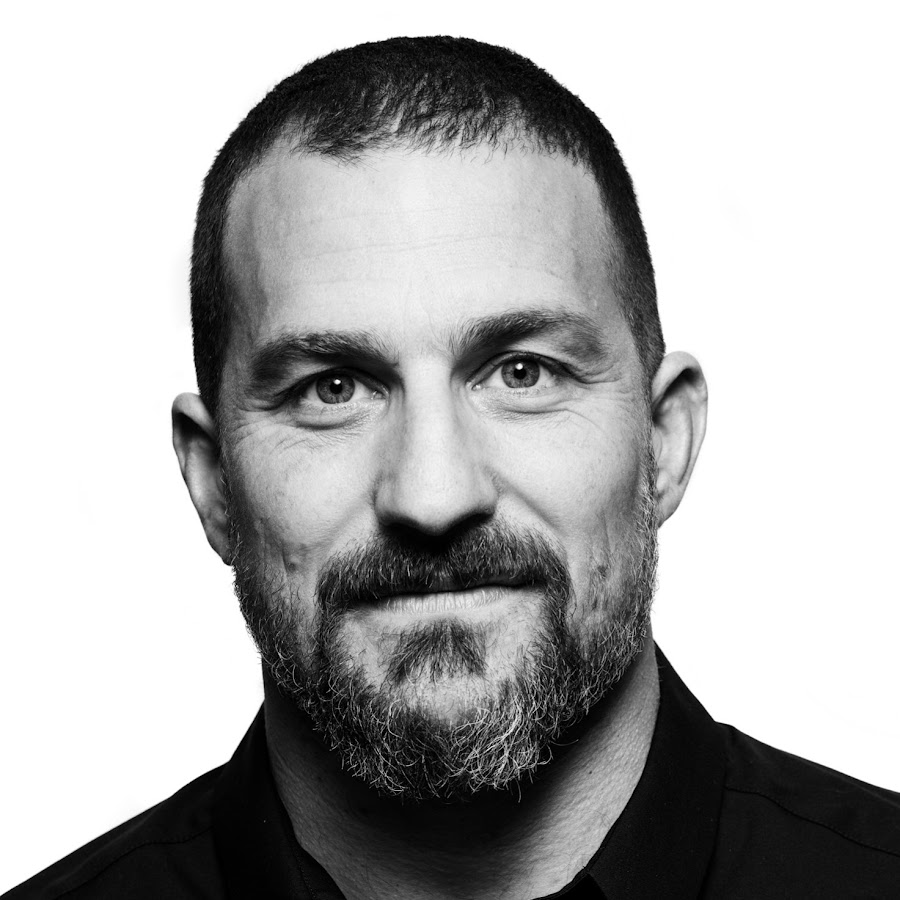 Andrew Huberman
Subscribers: 6M+ | Focus: Neuroscience, sleep, hormones, performance protocols
Andrew Huberman is a Stanford neuroscience professor whose podcast-on-YouTube has become the definitive source for science-backed health protocols. His episodes are long (2-3 hours), deep, and packed with actionable takeaways.
What You'll Learn
- Sleep optimization (light exposure, temperature, timing)
- Dopamine and motivation science
- Exercise protocols for specific outcomes (strength, endurance, cognitive function)
- Supplement protocols backed by clinical research
- Stress management and focus techniques
Why He's Worth Following
Huberman does what most health creators don't: he explains the mechanism. You don't just learn "cold exposure is good for you." You learn why it triggers norepinephrine release, what the dose-response curve looks like, and exactly how long to stay in cold water for different outcomes. This depth means you can adapt protocols to your situation rather than blindly following instructions.
The Challenge
His episodes average 2+ hours. Even at 2x speed, that's a serious time commitment. Most people can't watch every episode and shouldn't try. The key is scanning what's relevant to your current health goals.
Recent Videos
 2:27:13
Avoiding, Treating & Curing Cancer With the Immune System | Dr. Alex Marson
Introduction to the Immune System and Cancer Research Dr. Alex Marson is pioneering new methods to reprogram the immune system for cancer treatment using gene editing and other technologies. There's significant excitement in biology due to the convergence of understanding and intervening in disease at a fundamental level, including rewriting DNA in immune cells. Advances in DNA sequencing, computational tools (including AI), and the ability to manipulate human cells in labs are accelerating medical progress. The Immune System: Innate vs. Adaptive The immune system protects against infections (viruses, bacteria, fungi) by distinguishing "self" from "non-self." Innate immune system: The first alarm system, using cells like dendritic cells and macrophages to detect general signs of foreign invaders or damage. Adaptive immune system: Recruited by the innate system, primarily involving lymphocytes like B cells and T cells. T cells: Crucial for coordinating immune responses. Each T cell has a unique T cell receptor, generated randomly, to detect foreign substances. Thymus: Where T cells are educated; they undergo positive and negative selection to ensure they recognize foreign targets but not the body's own cells. B cells: Produce antibodies, which are released into the bloodstream to neutralize infections. Factors Influencing Immune Health and Cancer Risk While sleep is vital, the full impact of general health on the immune system is still being explored. Studies show that metabolic health (e.g., obesity from high-fat diets) can qualitatively alter immune responses. Genetic predispositions can lead to severe immune deficiencies, but a spectrum of subtler genetic influences likely exists. Early life exposure to pathogens and allergens helps develop immune tolerance, but a balance is needed to avoid hypersensitivity (allergies). Autoimmunity and Immune System Misregulation Autoimmune diseases occur when the immune system mistakenly attacks the body's own cells (e.g., joints, pancreas, brain). This failure often happens when checks and balances designed to prevent self-attack are compromised. The immune system must balance strong responses against infection with tolerance to self-cells. Cancer: Its Nature and Causes Cancer is not a new disease; it has existed throughout history. Cancer is fundamentally a genetic disease where cells accumulate mutations, lose normal regulation, and divide uncontrollably. Mutations can arise from imperfect DNA replication or damage from mutagens. Cells with damaging mutations typically die, but if a mutation provides a growth advantage, it can lead to proliferation and eventually cancer. Factors accelerating cancer include exposure to mutagens (smoking, UV radiation, pesticides, charred meats) and underlying genetic predispositions (e.g., BRCA mutations). Mutagens and Carcinogens Mutagens: Cause changes (mutations) in DNA. Carcinogens: Increase the risk of cancer. Mutagens are often carcinogens. Known mutagens include chemicals in cigarette smoke, UV radiation, pesticides, and potentially char from cooked meats. The risk from environmental exposures like pesticides, airport scanners, and food additives is complex and not always well-understood regarding human impact. Modern Cancer Treatments: Beyond Chemotherapy Historically, chemotherapy (using toxins) was the primary treatment, often with severe side effects. Targeted therapies emerged, aiming at specific cancer-driving mutations, but cancer can develop resistance. Immunotherapy represents a new paradigm, leveraging the body's own immune system to fight cancer. Immune System Therapies: Checkpoint Inhibitors and CAR T-cells Checkpoint inhibitors are drugs that release the natural "brakes" on T cells, allowing them to attack cancer more effectively (e.g., successful in melanoma). CAR T-cell therapy involves genetically engineering a patient's T cells to express a Chimeric Antigen Receptor (CAR), a synthetic sensor designed to target cancer cells. CAR T-cells have shown remarkable success in treating certain leukemias and lymphomas (e.g., the case of Emily Whitehead). CAR T-cell therapy typically uses modified viruses (like lentiviruses) to deliver the CAR gene into T cells. CRISPR Gene Editing Technology CRISPR is a powerful tool for precisely editing DNA sequences. Originally discovered as a bacterial defense mechanism against viruses, it can be repurposed to cut and modify DNA in various organisms. CRISPR-Cas9 systems use an RNA molecule to guide a protein "scissor" to a specific DNA sequence for cutting. This technology allows for targeted gene inactivation, correction of mutations, or insertion of new genetic material (like CAR genes into T cells). CRISPR enables highly precise genetic modifications in human cells, including T cells, for therapeutic purposes. Newer CRISPR-based technologies like base editors and epigenetic editors offer even more nuanced ways to modify cell behavior without causing double-strand breaks. Delivery Methods for Gene Therapies CRISPR and other genetic material can be delivered into cells using methods like electroporation (applying electrical pulses) or engineered viruses (lentiviruses, adenoviruses). Lipid nanoparticles (LNPs), the technology behind mRNA vaccines, are also being developed to deliver genetic material (like mRNA or CRISPR components) directly into target cells or organs. Engineered viruses and LNPs are being designed with specific "tropisms" to target particular cell types (e.g., T cells, liver cells). Antibody-drug conjugates (ADCs) and bispecific antibodies ("bites") are other strategies that use antibodies to target cancer cells and deliver toxins or engage T cells. AI is increasingly used to design synthetic proteins for targeting specific molecules on cancer cells. Ethical Considerations and Future Directions CRISPR gene editing raises significant ethical questions, particularly regarding germline editing (changes passed to future generations). There's a strong consensus against germline editing for enhancement or non-essential modifications due to unknown long-term consequences and risks to human diversity. Advanced genomic sequencing of embryos in IVF raises concerns about creating a "false axis of desirability" and overemphasizing genetic determinism. The field is rapidly advancing towards programmable cells that can regenerate tissues or precisely target diseases. Future breakthroughs may include CAR T-cells for autoimmune diseases and solid tumors, and improved methods for in-vivo gene editing. The development of induced pluripotent stem cells (iPSCs) offers potential for creating patient-matched cells for therapy, potentially negating the need for banking cells.
 30:53
30:53Essentials: The Biology of Taste Perception & Sugar Craving | Dr. Charles Zuker
Perception vs. Sensation Perception is how the brain transforms electrical signals into a representation of the world. Sensation (detection) is the initial sensing of a molecule (e.g., sugar on the tongue). Perception occurs when this sensation is transmitted to the brain and processed. The Five Basic Tastes The five basic tastes are: sweet, sour, bitter, salty, and umami. Each taste has an innate valence: sweet, umami, and (low concentration) salt are appetitive, while bitter and sour are aversive. These tastes ensure survival: sweet for energy, umami for protein, salt for electrolyte balance, bitter for toxins, and sour for spoiled food. Flavor is the combination of basic tastes with smell, texture, temperature, and appearance. The Neural Pathway of Taste Taste buds on the tongue contain taste receptor cells, each sensing one of the five basic tastes. Signals travel from taste receptor cells to taste ganglia near the ear. From there, signals go to the brainstem, then to higher brain centers, and finally to the taste cortex. In the cortex, meaning is assigned to the taste signal, allowing identification. This process is very rapid, occurring in less than a second. Plasticity and Learning in Taste Perception Taste perception is not fixed; it's modulated by learning and experience. Example: Children may dislike vegetables (bitter taste), but can learn to like them due to their perceived health benefits. Coffee, initially bitter, can become associated with positive feelings (due to caffeine's effects), altering its perceived taste. Desensitization can occur at multiple levels: receptor exhaustion and changes in signaling efficiency along the neural pathway. Internal State and Taste Modulation The body's internal state significantly influences taste perception. Example: Salt is appetitive for electrolyte balance, but at high concentrations is aversive. However, if salt-deprived, even high concentrations become attractive. This highlights how the brain integrates internal needs with sensory input. Gut-Brain Axis and Sugar Cravings The brain constantly monitors organ function via a two-way highway, primarily through the vagus nerve. Obesity is viewed as a disease of brain circuits rather than just metabolism. Mice engineered without sweet receptors on their tongue do not initially prefer sugar. However, after 48 hours, these mice develop a preference for sugar, indicating a learned association driven by the gut. Specific gut cells recognize sugar (not artificial sweeteners) and signal the brain via the vagus nerve, reinforcing the desire for sugar as an energy source. This gut-brain signaling is a key driver of our "insatiable desire" and craving for sugar. Artificial sweeteners don't activate these gut-brain circuits, hence they don't satisfy sugar cravings in the same way. Highly processed foods hijack these ancient circuits, leading to overconsumption.
 3:08:44
Unlearn Negative Thoughts & Behaviors Patterns | Dr. Alok Kanojia (Healthy Gamer)
Introduction and Background Dr. Alok Kanojia (Dr. K), a psychiatrist and monk, discusses unlearning negative thought and behavior patterns. His upbringing on the internet shaped his empathy for online users and his understanding of cognitive pacing. He highlights the difference between external expectations and internal desires as a source of life's friction. Understanding Emotions and Distress Tolerance Awareness of feelings is beneficial, but simply talking about emotions is not the same as truly being aware of them. "Therapy speak" can be hijacked by the ego, leading to manipulation or using "boundaries" for control. Distress tolerance is crucial; it involves accepting and moving with emotions, not suppressing them. Healthy ways to manage emotions include: Putting words to emotions: This calms the amygdala and allows for linguistic processing. Cultivating additional emotions: Recognizing positive aspects of past experiences or negative aspects of positive ones (e.g., potential downsides of a new venture). Understanding emotion as information and motivation: Instead of asking "What am I afraid of?", ask "What is my fear telling me?" and "What is it signaling me to do?". The Role of the Ego and Internal vs. External Drivers Western psychology often neglects the concept of the ego, while Eastern traditions emphasize it. Ego is defined by self-descriptive labels (e.g., "I am a professor"). It's not inherently bad but is comparative and comparative desires won't lead to happiness. True desires stem from an internal drive, not sense organs or external comparisons. Ambition can be healthy if aligned with internal passion, not just proving something to others or oneself. Social media and AI can create echo chambers, shaping perception and potentially leading to delusion. Excessive focus on looks ("looks maxing") is a displacement strategy to avoid the complex task of human connection. Practices for Self-Understanding and Change Meditation: Specifically "Shunya" (void) practices, help connect with a self beyond the ego and the mind. Shunya practices: Focus on emptiness, stillness between breaths, or the solar plexus to find a state of pure awareness. Yoga Nidra: A practice that accesses a hypnagogic state, allowing for subconscious reprogramming through "Sankalpa" (resolves). Sankalpa: A positive, present-tense resolve (e.g., "I deserve to be whole") that influences subconscious programming, not just surface-level self-talk. Physiological Focus: Starting with physiology (e.g., breathwork, autonomic nervous system regulation) is crucial for making practices accessible and testable. Liinal states (between sleep and wake): Offer opportunities for rewiring beliefs and engaging neuroplasticity. Challenges and Societal Trends Social Media and AI: Can lead to emotional activation, reduced distress tolerance, and echo chambers that distort reality. Men's Struggles: Men are falling behind in life progression, indicated by delayed marriage, addiction rates, and "deaths of despair." Societal support systems for men are lacking. Pornography: While not inherently bad for everyone, increasingly engaging content and parasocial interactions (e.g., OnlyFans) are problematic, particularly with pre-pubescent exposure increasing addiction risk. Relationships: Shared emotional experiences (even negative ones, like trauma bonding) foster connection. Looks are less important than charisma, vision, and kindness for long-term relationships. Displacement: Focusing on solvable problems like physical appearance (looks maxing) can be a way to avoid the overwhelming complexity of human connection. Unlearning and True Desires The core of psychotherapy is changing tendencies, not just willpower. If self-esteem and sense of being change, behaviors change naturally. Understanding oneself, not just willpower or motivation, is key to overcoming challenges. Suffering often stems from ignorance (avidya) rather than lack of willpower. The goal is to understand your internal system, make minor adjustments, and steer your life effectively.
2. Peter Attia
Subscribers: 1M+ | Focus: Longevity medicine, metabolic health, disease prevention
Peter Attia is a physician focused on the applied science of longevity. His content bridges the gap between latest research and practical health decisions. If Huberman covers the "how," Attia covers the "why it matters over decades."
What You'll Learn
- The four pillars of longevity (metabolic health, cardiovascular fitness, strength, cognitive health)
- How to interpret blood work and biomarkers
- Exercise prescriptions for lifespan vs. healthspan
- Cancer screening strategies and risk reduction
- The science behind fasting, glucose management, and metabolic health
Why He's Worth Following
Attia thinks in decades, not days. His framework for longevity isn't about quick fixes. It's about the compounding effect of good decisions over 30-40 years. His content is more technical than most health YouTube, but that's the point: he treats his audience like adults who can handle nuance.
3.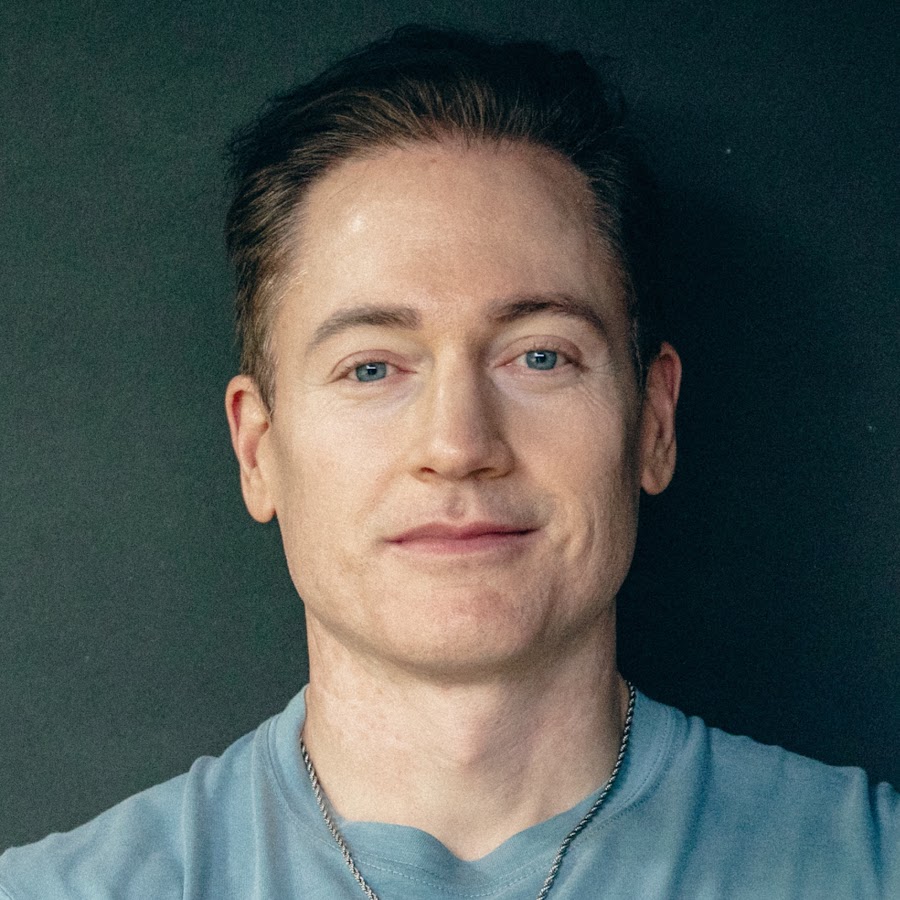 Bryan Johnson
Subscribers: 1.5M+ | Focus: Anti-aging experiments, biohacking, measurable health optimization
Bryan Johnson (founder of Kernel, sold Braintree to PayPal for $800M) spends $2M+ per year on a systematic anti-aging protocol called Blueprint. His channel documents the results with unprecedented transparency.
What You'll Learn
- Extreme health optimization protocols (diet, sleep, exercise, supplements)
- Biomarker tracking and what the data actually shows
- The frontier of anti-aging science
- How to build measurable health systems
Why He's Worth Following
You don't need to follow Bryan's exact protocol (most people can't and shouldn't). The value is in his methodology: measure everything, test systematically, share results openly. His transparency about what works and what doesn't is rare in health content. He publishes his biomarker data, admits when experiments fail, and updates protocols based on evidence.
Recent Videos
 15:46
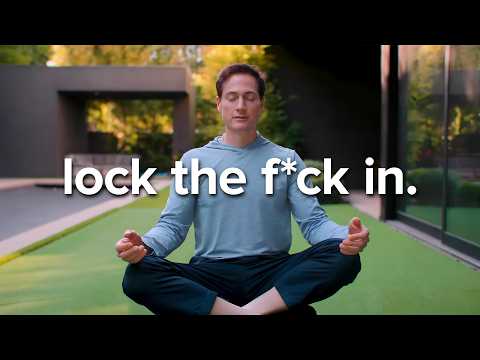
15:468 Steps to Reclaim Your Life
The Motivational Trap and Reclaiming Your Life The "motivational trap" involves feeling inspired and then doing nothing, leading to a cycle of temporary good feelings without lasting change. This video offers "systems level personal alignment" instead of motivation or hacks, focusing on principles for realigning life. The core message is to move from feeling stuck and depleted to being aligned, capable, and engaged by following eight steps. Step 1: Do Hard Things True change requires stepping outside comfort zones and embracing discomfort. Excuses like "I don't have time" or "this is just who I am" are often false narratives, not reality. Committing to doing hard things, even small ones, builds self-alignment by challenging limiting stories. Step 2: The End is the Beginning (Sleep) A successful morning starts the night before with a focus on sleep. Prioritizing sleep is crucial for productivity, energy, and presence, combating a global sleep loss epidemic. Implement a wind-down ritual: finish meals 4 hours before bed, lower lights, eliminate blue light, and engage in calming activities like reading or meditation. Maintain a consistent bedtime for optimal sleep quality and alignment. Step 3: Start Your Day with Purpose The first few hours after waking determine the rest of the day; avoid reacting to chaos. A consistent morning routine creates stability and provides leverage over your day. Key elements include waking at the same time, getting bright light exposure, and moving your body. Step 4: Future-Proof Your Body Exercise is an investment in future capability, not just current aesthetics. Physical inactivity is a disease; resistance and endurance training are vital stimuli for adaptation and improvement. Make movement non-negotiable daily, focusing on strength, mobility, flexibility, and cardiovascular health for lifelong capability and independence. Step 5: Treat Food as Medicine Food is fuel that dictates health or illness over time; the modern food system is designed to exploit weaknesses. Prioritize whole, nutrient-dense foods (lean protein, unprocessed carbs, fruits, vegetables) and aggressively reduce processed foods, sugar, and additives. Adopting a healthy diet impacts not only physical health but also mental clarity and overall capability. Step 6: Kill the Distractions Constant exposure to smartphones and ultra-processed content (junk food for the mind) leads to scatteredness, anxiety, and ADHD-like symptoms. Protect your attention by setting boundaries, deciding what earns your focus, and using tools like app blockers. The goal is to strengthen the signal amidst the noise, not to cut yourself off entirely. Step 7: Remove Isolation Chronic loneliness is detrimental to health and well-being, comparable to smoking. Humans thrive on connection, being seen, heard, and understood. Prioritize relationships, engage in real conversations, share experiences, and build emotional bonds, as connection is essential for a fulfilling life. Step 8: Stop Watching Motivational Garbage Lasting change comes from self-trust built by keeping small promises to yourself, not from fleeting motivation. Focus on consistency: pick one small thing, do it daily, even when uncomfortable or uninspired. Building self-trust allows you to tackle harder things and keep bigger promises, leading to true alignment and reclaiming your identity.
 22:48
22:48How Bad Is Taco Bell REALLY?
• Taco Bell's Crunchwrap Supreme contains 2.6 mg of aluminum in the tortilla wrap, which is 26 times the amount linked to cognitive decline and dementia in a 15-year study. • The Mexican Pizza contains nitrosamines and HCA, potentially carcinogenic compounds, and calcium propionate, a preservative linked to behavioral disorders and ADHD in children. • Nacho Fries are heavily dyed in cheese powder and contain 75% of the daily recommended sodium intake, with the accompanying cheese sauce being a mixture of fried starch, dried cheese, and an unknown yellow sauce. • Doritos Locos Tacos are full of artificial flavoring systems designed to keep you hungry and contain dyes like yellow 5, yellow 6, and red 40, which have been found to carry benzodine contamination, a carcinogen. • Taco Bell, as part of Yum Brands (which also owns KFC and Pizza Hut), has an exclusive beverage contract with PepsiCo, meaning PepsiCo profits from every drink sold there. • The Beefy Five Layer Burrito has a 40-ingredient beef mixture with significant antibiotic use, earning Taco Bell a D-grade for its slow commitment to reducing antibiotic use, which can damage gut microbiome and lead to resistance. • The Baja Blast contains 111g of sugar (28 sugar cubes) primarily from high fructose corn syrup, and synthetic dyes blue one and yellow five, despite Taco Bell's claims of switching to natural alternatives. • The Cheesy Gordita Crunch has 11g of saturated fat, as much as a Big Mac, linked to coronary narrowing, and contains calcium propionate and sodium benzoate in its spicy ranch sauce, both linked to hyperactivity in children. • The Spicy Potato Soft Taco contains 28g of refined carbohydrates that spike blood glucose and hydrogenated oils with trans fats, posing risks for cardiovascular disease, inflammation, and cancer. • The Cheesy Bean and Rice Burrito, marketed as a vegetarian option, contains hydrogenated oils linked to cardiovascular disease and inflammation, and sodium metabisulfite, a preservative that kills human cells in lab dishes. • The Chicken Quesadilla has 13g of saturated fat (the daily recommended maximum) and 1,250 mg of sodium (83% of daily recommendation), with the tortilla containing calcium propionate and aluminum, and the jalapeno sauce having potassium sorbate with potentially mutagenic properties. • Cinnamon Twists, while lower in calories, contain 10g of added sugar and are deep-fried in seed oil that has been heated repeatedly, creating toxic compounds linked to accelerated aging and cellular damage.
 25:02
25:02I Tried Psilocybin for Science (Livestream Highlights)
Experiment Setup and Goals The experiment aims to determine if psilocybin can serve as a longevity therapy by reversing biologic aging in human cells. This is the second of three psilocybin doses, with a total dose of 5.3 grams. 249 biomarkers are being measured, making it the most quantified psychedelic experiment in history. Kernel technology, a "pulse oximeter on steroids," is used to measure brain activity and map active brain regions. Baseline measurements include saliva testing, thermal body heat, blood pressure, and Kernel readings. The Psilocybin Experience The participant experiences a loss of inhibitions, with thoughts reaching consciousness faster and fewer internal checks. Sensory perception shifts, with the environment and colors becoming more vivid and "alive." The body feels "nimble and supple and loose," and the entire room appears to pulsate. Visuals are described as "cool," and the face of another person appears to be "dancing." The experience is intense, with the participant noting it's a "really big dose" that "pulls you deep into the experience." A demand for silence and introspection is felt, encouraging the participant to "go inward." The participant describes feeling a connection to nature, with plants seeming to communicate needs like watering. There's a profound sense of stillness amidst the vibrant sensory input. A feeling of being "mesmerized by how the metal feels" is noted. There's a reluctance to speak, as it detracts from the richness of the sensory experience. Participants and Observations The participant's son, Talmage, joins, finding it amusing and fun to watch his father's experience. Ashley Vance, who wrote a viral article about the experiment, is also present. Dr. Carl Seager, a longevity physician, is involved in the protocol and confirms preclinical trials showing psilocybin can reverse biologic aging. The experiment is framed as a necessary step in exploring potential therapies for aging. The concept of "cheat codes" for accessing spiritual or meditative states is discussed, with psilocybin offering a shortcut. Scientific and Medical Context Psilocybin is being explored as a potential tool to slow or reverse aging damage. The experiment moves beyond subjective psychiatric experiences to objective measures like motor control recovery in stroke victims (research by Gul Dolan). Currently, major psychedelics are Schedule I controlled substances in the US, lacking recognized medical value. The hope is that research will lead to reclassification and prescription by physicians. Epigenetic aging and dysfunction are identified as the root of disease, and certain compounds in mushrooms may reset the epigenome, leading to youthful tissue. There's a potential connection between spiritual/religious practices and the scientific understanding of psychedelics. Post-Peak Measurements and Reflections Peak measurements are taken, including collecting saliva, which is humorously referred to as "liquid gold." Reaction time is measured, with the participant noting a slow score, potentially influenced by the observer's presence. The participant expresses feeling giddy and "pure experience," describing it as "the best." Strong feelings of love and connectivity with his son are expressed, highlighting the profound positive impact of the experience. The participant describes a childlike state of being, characterized by a glow and smile. The duality of children being both painful and majestic is discussed. There's a deep appreciation for loved ones and a sense of seeing them without judgment. The participant acknowledges being "high" but emphasizes the genuine connection and shared experience.
4.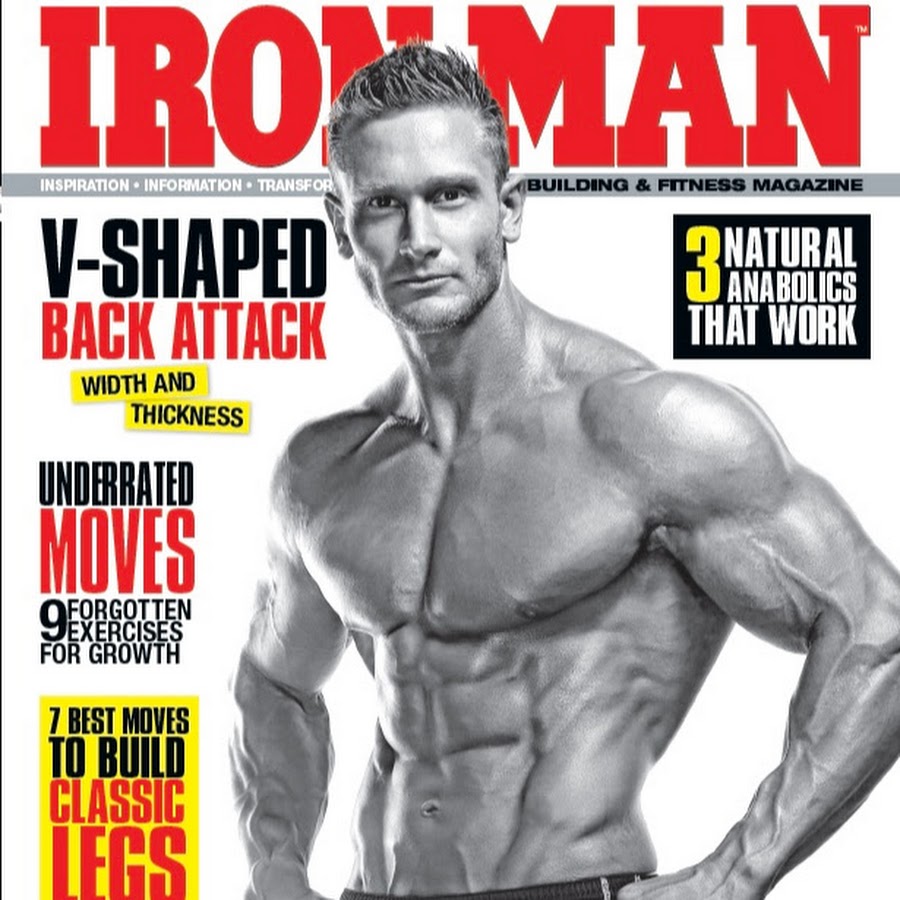 Thomas DeLauer
Subscribers: 3.5M+ | Focus: Nutrition science, fasting, body composition
Thomas DeLauer translates nutrition research into practical eating strategies. His content focuses on the science behind dietary choices, with a particular depth in fasting protocols and metabolic flexibility.
What You'll Learn
- Intermittent fasting protocols and the science behind them
- Macronutrient timing for body composition
- How different foods affect inflammation, energy, and recovery
- Supplement science (what works, what's marketing)
- Practical meal planning for busy professionals
Why He's Worth Following
DeLauer's strength is making nutrition science accessible without dumbing it down. He cites studies, explains the methodology, and often addresses conflicting research rather than pretending there's one right answer. His content is especially useful if you're trying to optimize body composition while maintaining energy and cognitive performance.
5. Rhonda Patrick
Subscribers: 1M+ | Focus: Micronutrients, sauna/cold exposure, genetics and health
Dr. Rhonda Patrick is a biomedical scientist whose channel dives deep into the molecular mechanisms behind health interventions. Her content is the most research-heavy on this list.
What You'll Learn
- Micronutrient deficiencies and their health impacts
- Sauna and cold exposure science (she pioneered much of the popular understanding)
- How genetics influence your response to diet and exercise
- Sulforaphane, omega-3s, vitamin D, and other well-studied compounds
- Interview deep-dives with leading researchers
Why She's Worth Following
Patrick goes deeper into the science than any other health creator. If you want to understand the mechanism behind a health recommendation, not just the recommendation itself, she's the source. Her interviews with researchers are particularly valuable, giving you access to expertise that would normally require reading dozens of papers.
Honorable Mentions
- Jeff Nippard: Evidence-based fitness and hypertrophy training. Excellent for exercise programming with scientific backing.
- Layne Norton (BioLayne): PhD in nutritional science. Unmatched for debunking nutrition myths and understanding the research process itself.
- Siim Land: Longevity and biohacking with a focus on practical protocols. More accessible than Attia, less extreme than Johnson.
- Dr. Mike (Renaissance Periodization): Strength training and hypertrophy science with entertaining delivery.
The Information Overload Problem in Health YouTube
Health content has a unique challenge: the stakes feel higher. Missing a business video means missing an optimization. Missing a health video feels like missing something that could affect your lifespan.
This creates anxiety-driven consumption. You watch everything "just in case," which paradoxically reduces the time you have for the things that actually improve health (exercise, sleep, cooking real food).
The solution is the same as any information overload problem: filter first, consume selectively.
With 5 channels publishing 30+ videos per month, you're looking at 40+ hours of content. Even the most health-obsessed person can't (and shouldn't) watch all of it. The better approach:
- Scan summaries daily to know what's been published
- Watch fully only the episodes directly relevant to your current health focus
- Save for later anything interesting but not urgent
- Skip without guilt everything else
TubeScout automates step 1. You get a daily email with summaries of every new video from your health channels. In 5 minutes, you know exactly which episodes deserve your full attention.
Stay current on health science without watching 40 hours of video. Try TubeScout free for 7 days.
Frequently Asked Questions
Which health YouTube channel should I start with?
Andrew Huberman if you want broad, actionable protocols across sleep, exercise, and focus. Peter Attia if you're specifically interested in longevity and preventive medicine. Both are evidence-based and cite their sources.
Can I trust health advice from YouTube?
From the channels on this list, largely yes. They cite peer-reviewed research and update recommendations when evidence changes. However, always cross-reference major health decisions with your physician. YouTube creators, even credentialed ones, don't know your medical history.
How do I know if a health YouTube channel is evidence-based?
Look for: citations to specific studies, acknowledgment of conflicting evidence, willingness to say 'we don't know yet,' and credentials or expertise in the relevant field. Red flags: selling proprietary supplements, making absolute claims, never citing sources, and promising miraculous results.
Is it worth watching 3-hour Huberman episodes?
Not always in full. Many episodes have 20-30 minutes of core insights spread across 2-3 hours. Use timestamps (Huberman provides them) or summaries to identify the sections most relevant to you.
How do I apply health content without getting overwhelmed?
Pick one health goal per quarter (improve sleep, build strength, optimize nutrition). Only consume content related to that goal. Ignore everything else until next quarter. Depth beats breadth in health optimization.
Marc Page
Founder, TubeScout
Building tools to help knowledge workers learn faster